
Unlocking Longevity: The Underrated Benefits of Roof Coatings Over Replacement for Industrial Facilities

In the realm of industrial buildings, the roof is not just a cover; it is the first line of defense against harsh weather, harmful UV rays, and wear and tear from everyday operations. Often overlooked, the roof plays a crucial role in influencing operational efficiency, employee comfort, and the overall maintenance budget. When roofing issues arise, facility managers typically face a challenging decision: should they replace the roof or apply a roof coating? Choosing a roof coating is frequently the smarter choice, offering numerous financial and environmental advantages.
This discussion highlights the significant benefits of roof coatings when compared to replacements, focusing on the long-term gains that can save time, money, and stress.
Understanding Roof Coatings
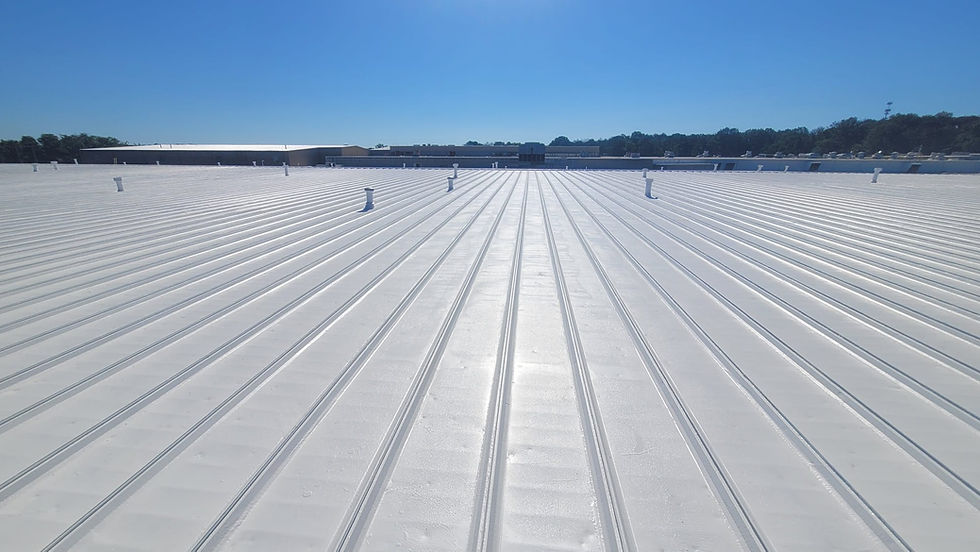
Roof coatings are specialized protective materials applied directly over existing roofing systems to enhance their durability and extend their lifespan. Common types of roof coatings include elastomeric, silicone, and acrylic. Each type has unique properties tailored to different industrial roofing needs.
In contrast, roof replacement usually involves extensive labor to remove old materials, which is both time-consuming and costly. For example, a full roof replacement can carry a price tag ranging from $5 to $12 per square foot, while roof coatings typically cost between $1 and $3 per square foot.
Financial Benefits of Roof Coatings
Lower Initial Costs
One of the most significant advantages of roof coatings is their lower upfront cost compared to complete roof replacements. By avoiding the removal of existing materials and the labor involved, facilities can save substantially. For instance, if a facility has a 20,000-square-foot roof, opting for a coating could save approximately $80,000, assuming a conservative estimate of $4 per square foot.
Reduced Energy Costs
Roof coatings not only offer savings but also enhance energy efficiency. Many coatings reflect sunlight, reducing heat absorption and lowering cooling costs during summer months. Research shows that reflective roofing can reduce cooling costs by up to 20%. In a facility spending $20,000 a year on cooling, this could lead to savings of $4,000 annually.
Environmental Considerations
Sustainability
As the push for sustainable practices continues to grow, roof coatings are a more environmentally friendly alternative to replacement. By extending the life of the existing roof, fewer materials are discarded into landfills. For example, replacing a roof may generate over 5 tons of waste per 1,000 square feet, while coatings can prevent this waste by preserving what is already in place.
Energy Efficiency and Reduced Carbon Footprint
The reflective properties of roof coatings lead to lower energy consumption, which ultimately reduces carbon emissions. Facilities that leverage reflective roofing can significantly lower their carbon footprint. Consider this: by reducing cooling needs, a facility could avoid up to 500 kilograms of CO2 emissions for every square meter of coated roof.
Operational Advantages
Minimal Disruption
Roof replacement can disrupt daily operations and may even require temporary shutdowns, resulting in lost income. Conversely, applying a roof coating typically involves minimal disturbance. An application can often be completed in a single day, allowing businesses to continue their operations with little interruption.
Fast Application
Coatings are quick to apply, with many jobs finished in less than 24 hours. This rapid deployment minimizes downtime and provides a swift response to leaks or damage, ensuring operations remain uninterrupted. For instance, a restaurant with a leaking roof can have a coating applied overnight, avoiding service interruptions that could lead to hundreds or thousands in lost revenue.
Longevity and Maintenance
Extended Roof Life
Roof coatings can significantly extend the life of the existing roofing system, often providing an additional 10-20 years of service. This longevity makes an investment in coatings a smart financial decision. For example, a roof that typically lasts 20 years without treatment can last up to 40 years with a quality coating.
Easier Maintenance
Roofs with coatings require less maintenance. They can withstand minor issues without immediate intervention, and regular inspections can help catch problems early. This proactive approach to maintenance not only conserves resources but also prolongs the roof's effectiveness and reliability.

Limitations of Roof Coatings
Not Suitable for All Roof Types
While roof coatings have many benefits, they are not universally applicable. Roofs with significant structural issues or extensive water damage may still necessitate complete replacement. It's essential for facility managers to assess the condition of their roofs to determine the best course of action.
Initial Assessment Necessity
A thorough evaluation is crucial before applying a roof coating. Understanding whether the existing roof can bear the additional layer, as well as reviewing any existing warranties, will influence the decision to proceed with coating.
Choosing the Right Coating
Professional Assessment
Investing in a roof coating is best handled by qualified professionals with expertise in industrial roofing systems. A proper assessment helps identify the optimal product and application technique, ensuring maximum longevity and performance.
Quality Matters
Not all roof coatings are of equal quality. Selecting a high-quality product can significantly enhance durability, reflectivity, and overall effectiveness. Investing in the right coating can yield substantial long-term benefits, saving facilities time and money in maintenance and repairs.
Final Thoughts
Investing in roof coatings provides numerous advantages for industrial facilities, making it a practical and sustainable choice over roof replacements. From significant cost savings and improved energy efficiency to reduced environmental impact and minimal disruption, roof coatings offer valuable solutions for enhancing longevity.
Facility managers should carefully assess these factors when considering their roofing options. A well-applied roof coating can be the key strategy for ensuring the durability and performance of industrial roofs for years to come.


Comments